Professional Janitorial Cleaning
You must have routine sanitation scheduled according to risk factors, food processing capacity, allergen concerns, and regulatory checks, combined with verification documentation demonstrating food safety protocols, regulatory audits, and government health requirements. The information below detail essential sanitation program components.
Key Takeaways
- Brampton's food safety cleaning specialists support restaurants, grocery departments, commissaries, warehouses, bakeries, schools, mobile vendors, and allergen-sensitive operations.
- Compartmentalized approaches treat high-touch surfaces, food-contact equipment, kitchens, floors, drains, restrooms, and storage areas for avoiding cross-contamination.
- Approved sanitizer dilution, alignment, and exposure duration are confirmed by trained providers, with finishing recorded via checks, inspections, and remedial documentation.
- Danger, output capacity, format changes, accidents, and regulations should inform maintenance timelines, with everyday, weekly, and seasonal tasks designated by section.
- Emphasize vendors demonstrating hazard analysis knowledge, sanitation competency, WHMIS training, insurance, credentials, color-categorized instruments, and compliance-ready hygiene files.
Brampton Establishments That Need Food Safety Cleaning: Which Ones?
You must comply with food safety cleaning if your business is falls under public health inspection, food premises regulations, or internal HACCP-based controls. This covers eateries, dining areas, supply warehouses, retail departments, meat counters, fish departments, general stores, and facility-based kitchens.
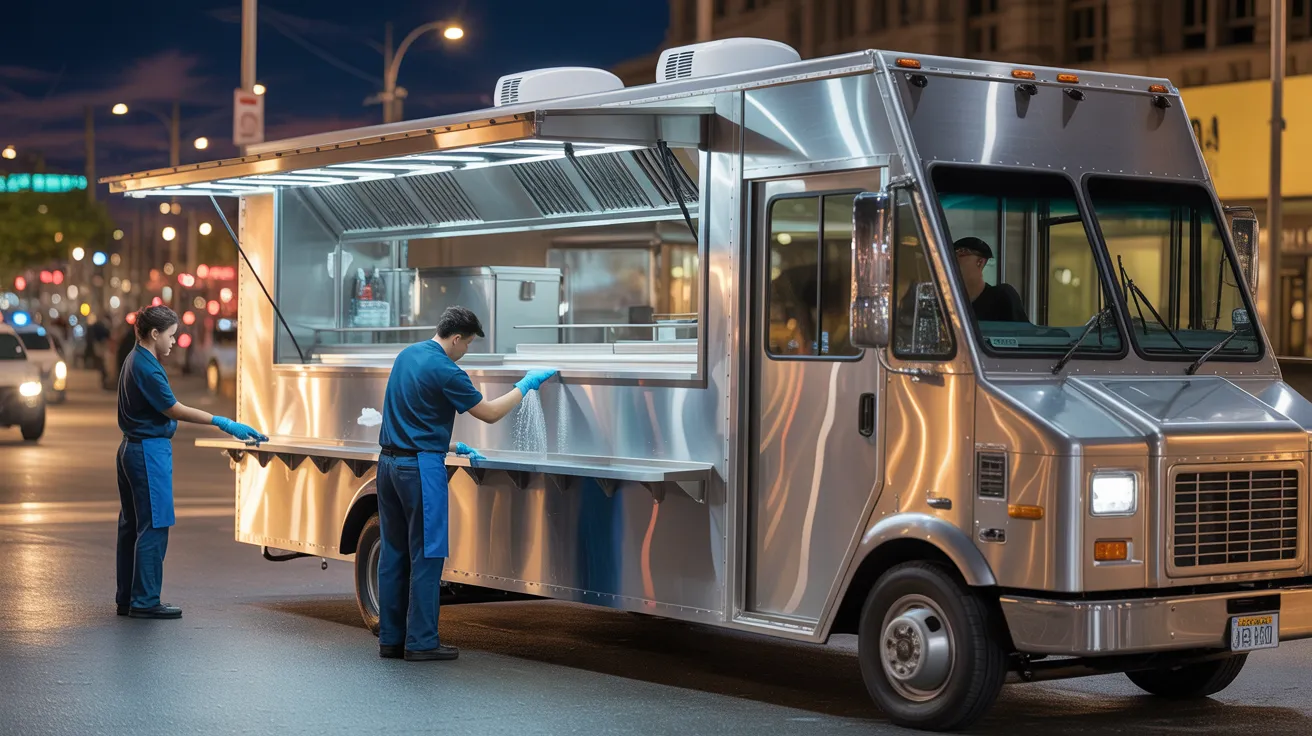
You also need proper hygiene cleaning in distribution centers, food processing plants, freezer facilities, commercial bakeries, educational nutrition programs, event spaces, and catering hubs. Mobile and seasonal operations count too, including catering trucks, festival vendors, and pop-up food booths. If your staff work with raw supplies, divide prepared foods, warm dishes, or organize allergen inventory, your facility needs written cleaning standards. In Brampton, hygiene isn't discretionary; it's part of regulatory, business, and safety compliance.
Which Areas Do Brampton Cleaning Experts Cover?
Your facility requires professional cleaners who sanitize all high-touch areas, kitchens, floors, and restrooms for food safety and health code adherence. These zones receive attention because they represent the most significant contamination risk, hazardous walking conditions, and breaches of sanitation codes.
When you know their cleaning scope, you can ensure your operation's cleaning procedures satisfy operational and regulatory requirements.
Critical High-Touch Surface Sterilization
organize sanitization schedules based on foot traffic, environmental hazards, and business activities.
check that sterilization is proper and support remedial steps if results come exceed acceptable limits
Cooking Zones, Walking Surfaces, and Restroom Environments
Brampton cleaning professionals will handle kitchens, floors, and restrooms since each space presents different food safety concerns, slip-and-fall, and public health challenges. In industrial kitchens, you need grease removal from cooking stations, appliance surfaces, drain systems, preparation areas, and backsplashes to reduce bacterial growth and pest activity.
Professional floor upkeep with documentation is also included. is also provided as part of the service.
For restroom sanitation, cleaners sanitize touchpoints, fixtures, partitions, dispensers, and waste containers, then restock supplies and control odours. They also maintain restaurant cleaning supply rooms where product storage, sink cleanliness, and drain systems impact daily sanitation standards and worker protection.
The Importance of Food Safety Cleaning in Brampton
To comply with regulatory mandates and pass inspections, Brampton establishments must follow food-safe cleaning standards. You also reduce bacterial spread through proper cleaning of food-preparation surfaces, appliances, and frequently-touched items. Most importantly, you safeguard public health by lowering the risk of foodborne illness in your facility.
Sanitary Standards Adherence
Food companies in Brampton face rigorous sanitary regulations, making food safety cleaning crucial to adhering to health code requirements, safeguarding patrons, and eliminating enforcement action. You must maintain sanitized food contact points, verifiable cleaning logs, proper chemical use, and traceable training practices that meet municipal and provincial inspection expectations.
Strong cleaning records aid you in proving due diligence during compliance reviews and confirming your methods follow standardized patterns that are repeatable and monitored.
Cross-Contamination Prevention
Following health code standards depends on your ability to prevent cross-contamination in routine food work and sanitation. You should isolate raw items from prepared foods, disinfect work areas after use, and store chemicals away from food-contact items. Well-defined guidelines decrease contamination chances and support consistent compliance during inspections.
You should implement allergen segregation to prevent major allergens from touching shared surfaces, containers, or equipment. Use dedicated cutting boards, color-coded tools, and careful equipment identification so employees avoid combining products throughout cooking or serving. Require handwashing after handling uncooked proteins, shellfish, egg items, or allergen products. Replace wiping cloths regularly, and check disinfectant potency using test kits. When staff members receive training on these procedures every shift, you build a more hygienic, secure workplace that satisfies Brampton's safety standards daily.
Public Health Protection
When sanitation protocols fails, you don't just face inspection failure—you heighten the likelihood of foodborne illness impacting customers, staff, and the wider Brampton community. You also weaken your role in protecting public health, especially in high-traffic food premises where pathogens travel quickly through surfaces, equipment, and touchpoints.
You must implement sanitation protocols that eliminate contaminants, properly disinfect, and verify results. This entails adhering to contact periods, utilizing authorized sanitizers, maintaining records, and coaching staff to meet compliance standards. These actions support disease prevention by suppressing pathogens before affecting food surfaces or hands. In Brampton, robust sanitation protects at-risk groups, curtails outbreak likelihood, and proves your diligence. When you maintain standards, you exceed requirements—you substantially reduce risk and promote secure food service throughout the city.
Why Is Cleaning Essential for Food Safety Compliance?
Maintaining thorough cleaning protocols strengthens food safety compliance by lowering contamination exposure, preventing pathogen multiplication, and keeping your facility in accordance detailed resource with sanitation requirements under HACCP-based programs and public health regulations. You confirm that contact surfaces stay visibly clean and microbiologically controlled, enabling documented preventive controls and inspection readiness.
Cleaning strategies additionally amplify allergen prevention by removing residues that can trigger undeclared allergen exposure.
What's the Ideal Time to Arrange Commercial Cleaning?
peak production periods, product switches, spill events
risk levels, production volumes, or regulatory standards change
Selecting the Right Brampton Cleaning Experts: Key Considerations
Begin by evaluating providers based on sanitation compliance standards—not solely on price alone. You should confirm that each organization comprehends CFIA, public health, and HACCP-based requirements applicable to your facility. Request insurance certificates, WHMIS compliance, staff training documentation, and oversight procedures. Assess whether technicians recognize cross-contamination risks, chemical handling protocols, and verifiable sanitation records.
You must also evaluate business consistency and oversight. Seek references from food facilities in Brampton, then assess response speed, corrective processes, and communication standards. Ensure the company enables supplier checks and can provide inspection-compliant records when authorities or third parties demand verification. Verify equipment is maintained, color-coded items are deployed correctly, and operational-specific risks are understood. A qualified provider protects compliance, product integrity, and your brand reputation.
What's included in a Food Safety Cleaning Plan?
Put together a written program that establishes every sanitation duty, standard, and accountability ahead of production commencement. You should list cleaning intervals, permitted substances, dilution percentages, exposure times, instruments, and inspection methods for each sector, surface, and equipment. Make sure to include pre-operational inspections, corrective actions, and employee training requirements.
Your program should also address contamination prevention, garbage management, pest control procedures, and recorded timelines for bathrooms, drainage systems, surfaces, and food-preparation zones. Explain how you'll separate raw and ready-to-eat processes, enable ingredient tracking, and ensure accurate allergen labeling through validated cleaning between product changes. You should assign accountability, keep signed records, and review results against regulatory standards, HACCP controls, and customer requirements. When gaps appear, revise procedures immediately and retrain staff.
Commonly Asked Questions
Are sanitation providers offered for overnight shifts in Brampton facilities?
Yes, you can contract sanitation providers to manage nighttime operations in Brampton facilities. You'll arrange nighttime cleaning around operational windows, access requirements, and personnel requirements. Services typically outline nightshift logistics to minimize interruption, maintain standards, and log completed work. You should confirm timeframes, oversight, lockout protocols, and waste management before service starts.
Can Brampton cleaning experts handle hazardous incidents?
Yes, you can find many Brampton cleaning professionals offering spill containment services. They manage hazardous materials, evaluate risks, isolate zones, and perform swift decontamination to minimize risk and limit operational impact. You should verify response times, training credentials, safety measures, and procedures. If your facility must meet standards, choose a service that logs events, follows procedures, and ensures verification.
Do eco-friendly disinfectants work safely on food preparation areas?
Absolutely, natural disinfectants can be suitable for food-handling equipment when you opt for items marked food-safe and meeting regulatory standards. You must check application timing, dilution rates, and rinsing needs in advance of use. Natural-based solutions lower chemical burden, though you require demonstration of efficacy against harmful bacteria. For preserving residue-free areas, follow precise manufacturer instructions and ensure your cleaning agent adheres to food industry regulations.
Will sanitation programs adapt to seasonal variations?
Yes, you can modify cleaning plans for seasonal production changes. You should revise intervals, staffing, sanitizers, and verification steps to fit seasonal workflows while maintaining regulatory adherence. You'll lower operational delays by scheduling sanitization around changeovers, peak volumes, and operational patterns. You should additionally update written procedures, staff education, and environmental monitoring to address temporary risks, new allergens, or higher contamination levels. Regular reviews ensure your program current.
Will professional cleaning services train your staff on hygiene best practices?
Certainly, professional cleaning experts train your employees on hygiene protocols. You obtain staff training on correct chemical practices, processing times, cross-contamination prevention, machine disassembly, and documentation procedures. They typically align coaching with HACCP, GMP, and CFIA or local public health standards. Many execute health assessments to verify compliance, identify gaps, and strengthen corrective measures. This enables you to copyright standard processes, satisfy audits, and minimize foodborne pathogen risks daily.
Conclusion
By partnering with Brampton food safety and commercial cleaning experts, you aren't just organizing—you maintain your facility compliance-focused and your standards up to code. From kitchens to processing floors, every sanitized surface and organized space decreases contamination and prevents costly issues. By scheduling cleanings at appropriate intervals and adhering to a systematic cleaning protocol, you secure staff members, customers, and your standing. In a strictly regulated industry, clean spaces must be prioritized—they're essential to successful operations.